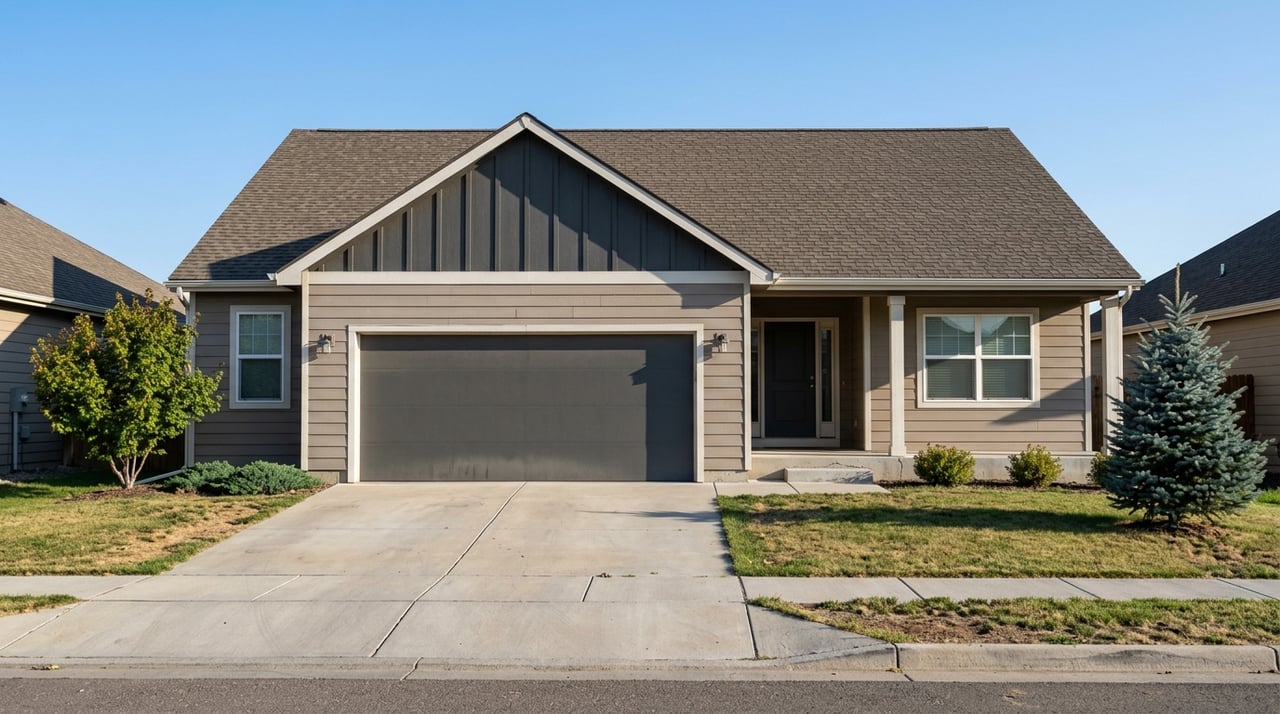
Thinking about downsizing in Williston can feel simple at first. Then the real questions show up fast: Where will you go next, how much will your smaller home actually cost, and how do you avoid feeling rushed in a tight market? If you want less upkeep without giving up comfort or control, a clear plan can make the move much easier. Let’s dive in.
Why downsizing in Williston takes planning
Downsizing is not always just about spending less. In Williston, it is often more about simplifying your day-to-day life, cutting maintenance, and choosing a home that fits how you want to live next.
Local housing data shows why. In a November 2024 snapshot from the North Dakota Housing Finance Agency, Williston had 80 detached single-family listings and only 14 townhome or condo listings. That smaller attached-home supply means you may need to start your search early if you want one-level living, easier snow removal, or a lower-maintenance setup.
Pricing also matters. Redfin reported a median sale price of $362,263 in Williston in April 2026, up 5.9% from a year earlier. In the same state housing snapshot, 59 of 94 tracked listings were priced above $350,000, and only four were below $200,000.
That means a smaller home in Williston is not automatically a bargain. In many cases, downsizing is a lifestyle decision first, with savings depending on the type of home you choose and your all-in monthly costs.
Start with your downsizing goals
Before you sort one closet or call a mover, get clear on what you want this move to do for you. Some sellers want fewer stairs. Others want less yard work, simpler winter upkeep, or a home that is easier to lock and leave.
Try to define your top goals in plain terms. That might include a single-level layout, attached garage, less exterior maintenance, extra guest space, or enough storage for hobbies and seasonal items.
When your goals are clear, every decision gets easier. You can sort what to keep, compare homes more confidently, and avoid buying a property that is smaller but not actually easier to live in.
Build a realistic downsizing timeline
One of the biggest mistakes sellers make is trying to do everything at once. A staged timeline usually leads to better decisions and a less stressful move.
Here is a practical planning framework:
- 6 to 12 months out: define your goals, budget, and must-have features
- 3 to 6 months out: declutter, make repairs, and begin searching for your next home
- 30 to 60 days out: finish listing prep, schedule photography, and line up moving details
- Final weeks: confirm movers, utilities, address changes, and any temporary storage
This kind of timeline gives you room to adjust if inventory is limited or if the right replacement home takes longer to find. In Williston, that extra runway can be especially helpful when attached homes are a smaller part of the market.
Declutter room by room
Downsizing gets easier when you break it into small steps. A room-by-room plan helps you make steady progress without feeling overwhelmed.
Use five simple categories as you go:
- Keep
- Sell
- Donate
- Recycle
- Store
It often helps to start with the hardest spaces first. Garages, basements, attics, and sheds tend to hold the items that require the most thought, so tackling them early can build momentum and help you estimate how much storage you really need in the next home.
As you sort, keep your future home in mind. If your next place will likely have less storage, fewer closets, or no extra outbuilding, that can guide better choices now.
Compare the right home types
In Williston, downsizing often means choosing between a smaller detached house, a townhome, or a condo. Square footage matters, but your long-term ease of living matters just as much.
A smaller detached home may give you more privacy, yard space, and flexibility. But it may also come with more responsibility for snow removal, lawn care, and exterior upkeep.
A townhome or condo may offer a simpler maintenance routine. Still, those options can be more limited locally, and you will want to compare dues, exterior responsibilities, parking, and storage before you decide.
When you look at replacement homes, focus on features like these:
- Single-level layout or stairs
- Garage access
- Storage space
- Guest parking
- Exterior maintenance responsibilities
- Snow removal and landscaping responsibilities
- Mobility and aging-in-place considerations
The best downsizing move is usually the one that makes daily life easier, not just the one with the fewest square feet.
Know your all-in monthly cost
A smaller home does not always mean a smaller monthly payment. That is why it helps to compare properties using the full ownership picture instead of mortgage payment alone.
In North Dakota, residential property tax is based on market value and millage. The state says residential taxable value is calculated at 4.5%, property tax is due January 1 following assessment, and taxes are payable without penalty until March 1. A 5% discount applies if taxes are paid in full by February 15.
For you, the practical takeaway is simple. When comparing your next home, look at the full monthly and annual cost, including mortgage, property taxes, insurance, utilities, and any HOA dues.
That side-by-side comparison can be especially important when you are choosing between a detached house and a townhome or condo. A home with less upkeep may come with dues, while a detached property may shift more maintenance and seasonal costs onto you directly.
Review North Dakota tax credits
State tax rules may also shape your downsizing decision. North Dakota says the Primary Residence Credit applies to houses, mobile homes, townhomes, duplexes, and condos, with no age restrictions or income limits, and only one Primary Residence Credit allowed per household.
The state also offers a Homestead Property Tax Credit for homeowners age 65 or older, or those who are permanently and totally disabled, with income up to $70,000. If an eligible homeowner sells the homestead, the credit may be applied to the new homestead.
If either program may apply to you, it is worth reviewing early while you compare replacement homes. A tax credit can affect your monthly carrying cost and may change which property type makes the most sense.
Decide whether to sell first or buy first
Your timing strategy should match your finances and the local inventory picture. In Williston, where smaller attached options are available but limited, this decision matters.
Selling first may make sense if you need your current equity to fund the next purchase or if you want to avoid carrying two properties at once. This path can give you a clearer budget, though it may require temporary housing or flexible closing terms.
Buying first may work if your current home is very marketable and you can comfortably manage overlap for a period of time. That can reduce pressure on your home search, but it also increases short-term carrying risk.
Some sellers bridge the gap with options like:
- A rent-back after closing
- A contingent offer on the next home
- A short-term rental if dates do not line up
A clear net-proceeds estimate can help you choose the right path. When you know what your sale may realistically produce, it becomes easier to decide how aggressive or conservative to be on the purchase side.
Plan for winter moving conditions
In Williston, the season can affect your timeline more than many sellers expect. NOAA normals for Williston Sloulin International Airport show January average highs of 22.1 degrees, lows of 1.0 degree, a mean temperature of 11.6 degrees, and 11.2 inches of snowfall across 9.8 snowfall days.
If your move may happen during winter, give yourself extra time. Packing, loading, utility transfers, and mover schedules can all become more complicated when snow and cold are part of the equation.
Even if your sale closes smoothly, winter conditions can slow down the final steps. A little added buffer in your plan can protect you from last-minute stress.
Make your current home market-ready
Once you know what you want next, it is time to get your current home ready to sell. A well-prepared listing helps you attract serious buyers and gives you a stronger position when you are also coordinating your next move.
Focus on the basics first. Complete needed repairs, reduce clutter, and make each room feel open and easy to understand. Buyers respond well when a home feels clean, cared for, and functional.
This is also where strong local guidance matters. With Carla Kemp’s experience in Williston and Williams County, you can build a plan around pricing, timing, professional marketing, and the practical steps needed to move from one home to the next with fewer surprises.
If you are weighing whether now is the right time to downsize, start with the numbers and the lifestyle picture together. For a local plan built around your goals, reach out to Carla Kemp for a free home valuation.
FAQs
What does downsizing in Williston usually mean for sellers?
- In Williston, downsizing often means choosing a home with less maintenance, easier living, or a better layout for your next stage, rather than assuming the next home will cost much less.
When should you start planning a downsizing move in Williston?
- A practical timeline is to start 6 to 12 months ahead so you can define goals, declutter gradually, prepare your home for sale, and search early for limited townhome or condo options.
What home types should downsizing sellers compare in Williston?
- You should usually compare smaller detached homes, townhomes, and condos based on layout, stairs, garage access, storage, maintenance responsibilities, and total monthly cost.
How should downsizing sellers compare costs for a smaller home in North Dakota?
- Compare homes on an all-in basis that includes mortgage, property taxes, insurance, utilities, and any HOA dues rather than looking only at the sales price or monthly payment.
Which North Dakota property tax credits may matter after downsizing?
- Depending on your situation, the Primary Residence Credit and the Homestead Property Tax Credit may be important, especially when you are comparing the long-term cost of your next primary residence.
Should you sell your current Williston home before buying the next one?
- That depends on your equity, comfort with carrying two properties, and how quickly you can find the right replacement home in a market with relatively limited attached-home inventory.