Buying your first investment property in Williston can feel simple at a glance, then complicated the moment you start running the numbers. You may see solid local wages, a renter-heavy market, and rents that look promising, but you also need to factor in vacancy, turnover, and the area’s oil-linked cycles. This guide will walk you through the basics so you can evaluate opportunities with clearer expectations and fewer surprises. Let’s dive in.
Why Williston Gets Investor Attention
Williston is a small market, but it has real economic activity behind it. According to U.S. Census QuickFacts for Williston, the city’s 2024 population estimate is 28,821, while Williams County is estimated at 40,763. That size matters less than the local income picture when you are looking at rental demand.
The same Census data shows median household income at $79,381 in Williston and $85,595 in Williams County. On top of that, the Bureau of Labor Statistics county wage data reported an average weekly wage of $1,737 in Williams County in the third quarter of 2025. That is above both the North Dakota and U.S. averages, which helps explain why rent demand can stay meaningful even in a smaller market.
Know the Rent Numbers
One of the first things local buyers should understand is that Williston rent data comes in ranges, not one perfect number. Census QuickFacts reports median gross rent of $1,122, while the 2022 North Dakota Statewide Housing Needs Assessment lists median monthly rent for Williston at $1,009. That difference does not mean either source is wrong. It means data sets use different years and methods.
For you as a buyer, the takeaway is simple: treat published rents as benchmarks, not guarantees. A property’s actual rent depends on unit size, condition, layout, amenities, utility setup, and competing inventory at the time you list it.
Use HUD rents as a benchmark
For practical underwriting, many buyers like to compare a specific unit type against a broad local benchmark. The HUD FY2025 fair market rents for Williams County are:
- Studio: $1,003
- 1 bedroom: $1,026
- 2 bedroom: $1,154
- 3 bedroom: $1,617
- 4 bedroom: $1,938
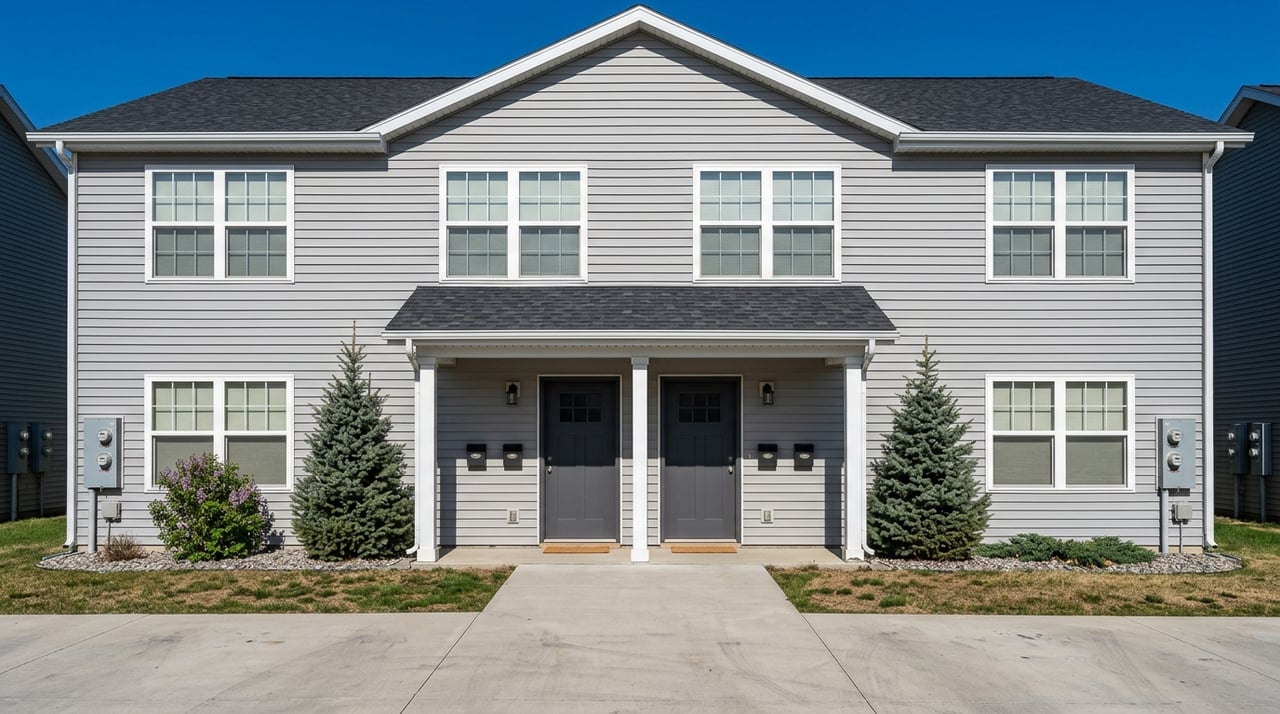
If you are reviewing a duplex, fourplex, or smaller multifamily property, the 2-bedroom figure can be a useful starting point. It gives you a neutral comparison point before you adjust for the exact property.
Understand Vacancy Before You Buy
This is where many first-time investors get too optimistic. Williston can offer rental opportunity, but it also has a history of vacancy that should shape your numbers from day one.
The North Dakota Statewide Housing Needs Assessment reports a renter vacancy rate of 16.7% for Williston and shows 14,417 total housing units, with 11,706 occupied and 2,711 vacant. For an investor, that means lease-up time and tenant turnover are not just side issues. They can have a major impact on your cash flow.
What vacancy means for your budget
If you are buying locally, it is smart to build in room for:
- Vacancy between tenants
- Cleaning and repairs after move-out
- Paint, flooring, and other make-ready work
- Marketing and leasing time
- Utility costs during vacant periods
In a market like Williston, these line items can change your return much faster than a small shift in purchase price.
Why Oil Cycles Still Matter
Williston’s housing market has long been shaped by energy activity. The North Dakota Department of Mineral Resources notes that Bakken-Three Forks production became the most prominent oil play in the history of the Williston Basin, and the state continues to track county-level production data, including Williams County.
That connection between energy activity and housing demand is not just a local talking point. The Bureau of Labor Statistics found that Williams County employment grew by 12,561 workers from 2007 to 2011 during Bakken expansion, with major gains in mining, transportation and warehousing, and construction. That history helps explain why rental demand in Williston can rise quickly in stronger periods and soften when activity slows.
What this means for local buyers
If your investment plan depends on strong occupancy, do not assume today’s conditions will stay fixed. You should look at the property through a cycle-aware lens and ask:
- Is the likely tenant base tied to energy employment?
- How would the property perform with a longer vacancy period?
- Would the deal still make sense with extra turn costs?
- Are you relying on top-of-market rent to make the numbers work?
A property that only works under perfect conditions may not be a strong long-term buy.
A Simple Way to Screen Deals
You do not need a complex spreadsheet to do a first-pass review. One simple screening step is to compare annual gross rent to purchase price, then remember that operating costs come next.
Using Census QuickFacts data, Williston’s median gross rent is $1,122 and median owner value is $286,200. That creates a rough annual gross rent-to-value ratio of about 4.7% before taxes, insurance, repairs, management, and vacancy. This is not a target return. It is just a baseline that helps you see how quickly costs can narrow your margin.
Keep your first-pass review realistic
When you screen an investment property in Williston, make sure you account for:
- Property taxes
- Insurance
- Repairs and ongoing maintenance
- Vacancy reserve
- Turnover and make-ready costs
- Professional management, if you plan to use it
- Snow removal, lawn care, trash, or utilities, depending on who pays
A property can look strong on gross rent alone and still underperform once real operating costs are added.
Questions to Ask Before Making an Offer
Before you move forward on a rental property, slow down and pressure-test the assumptions. This matters even more in a market where rent benchmarks are useful but local conditions can shift.
Based on the local data in the HUD fair market rent schedule and the broader Williston housing profile, here are smart questions to ask:
What is the likely market rent?
Look at the exact unit type, bedroom count, condition, and utility arrangement. Broad rent benchmarks help, but they are only the starting point.
How much vacancy should you expect?
Williston’s renter vacancy profile suggests you should not use an unrealistically low figure. Your reserve should reflect the possibility of turnover and leasing downtime.
Who pays which expenses?
Clarify utilities, trash, snow removal, lawn care, and any exterior maintenance. These details directly affect your monthly operating picture.
What condition are the major systems in?
Ask about the roof, HVAC, plumbing, and parking surfaces. Deferred maintenance can change your first-year costs quickly.
Who is the likely tenant base?
Try to understand whether demand is tied more to energy-related employment or to broader local households. That context can affect both stability and leasing speed.
When to Bring in Local Pros
First-time investment buyers often try to solve everything alone. In reality, the smartest move is usually to build a local team before closing.
The research behind Williston’s market suggests that working with a local agent, lender, CPA, and attorney is especially prudent if you are comparing a single-family rental with a duplex, fourplex, or small apartment property, or if your plan depends heavily on oil-field demand. In a market with documented economic swings, local guidance can help you avoid costly assumptions.
The Bottom Line for Williston Buyers
Williston can offer real opportunity for local investment buyers, but the basics matter. Strong local wages, practical rent benchmarks, and a renter-heavy housing profile are positives. At the same time, vacancy, turnover, and oil-linked demand shifts should be built into your plan from the beginning.
If you want help reviewing a duplex, fourplex, single-family rental, land opportunity, or investment listing in Williston or Williams County, Carla Kemp offers local market insight and responsive guidance to help you evaluate your next move with more confidence.
FAQs
What rent should you expect for an investment property in Williston?
- Published local benchmarks vary, with Census reporting median gross rent of $1,122 in Williston and HUD listing FY2025 fair market rents from $1,003 for a studio to $1,938 for a four-bedroom in Williams County.
How important is vacancy when buying a Williston rental property?
- Vacancy is a major factor because Williston’s housing profile includes a reported renter vacancy rate of 16.7%, so you should budget for downtime and make-ready costs.
Why does oil activity affect Williston investment property decisions?
- Housing demand in Williston has historically moved with energy-related employment growth and slowdowns, which can influence occupancy, rents, and turnover.
What is a simple first step for underwriting a Williston investment property?
- A useful first step is to compare annual gross rent to purchase price, then subtract realistic operating costs like taxes, insurance, repairs, management, and vacancy.
Who should local buyers talk to before closing on a Williston investment property?
- First-time buyers should consider consulting a local agent, lender, CPA, and attorney before closing, especially when comparing property types or relying on oil-driven demand.