Trying to choose a Williston area neighborhood that fits how you live and how you drive each day? It can feel like a trade-off between yard space, outdoor access, and time behind the wheel. You want clarity before you commit. In this guide, you’ll compare the main neighborhood types in Williston by lifestyle and commute so you can zero in on the right fit with confidence. Let’s dive in.
How to match lifestyle and commute
Start with your daily rhythm and weekend plans. List the places you visit most in a typical week and how often you go. Then consider what you value at home: yard size, storage, privacy, or walk-to errands.
- If you want the shortest drives to services, focus on downtown and older infill areas.
- If you prefer newer homes with practical access to highways, look at suburban or newer master-planned areas.
- If outdoor space and privacy come first, explore rural acreages and ranchettes, and plan for longer drives.
Keep winter in mind. Snow and ice can add time to rural and fringe commutes, especially on routes with heavier truck traffic.
Downtown and older infill
Central Williston’s older grid streets offer smaller lots and a mix of historic bungalows, ranches, duplexes, and some multifamily. Many homes predate the oil boom, and you’ll see a range of maintenance and updates.
Sidewalks and proximity to municipal services make daily errands easier. You are closest to downtown employers, retail, and local parks.
- Lot character: Often narrow city lots, commonly less than 0.25 acre.
- Commute feel: Shortest drives to municipal jobs, retail, and services, often under 15 to 20 minutes in typical traffic.
- Good fit if: You want quick local commutes and a more walkable street grid.
Suburban subdivisions
Established and newer suburban neighborhoods offer single-family homes on modest yards with attached garages and family-friendly floor plans. You’ll find homes from the 1990s and 2000s mixed with more recent builds.
These areas often include small parks or playgrounds and convenient access to retail corridors. Many residents drive to outdoor spots like lakes or river access within 10 to 30 minutes.
- Lot character: Commonly about 0.15 to 0.5 acre, varies by subdivision.
- Commute feel: Frequently 15 to 30 minutes to central employers, depending on exact location and traffic.
- Good fit if: You want newer layouts and a balanced commute without giving up yard space.
Master-planned and new construction
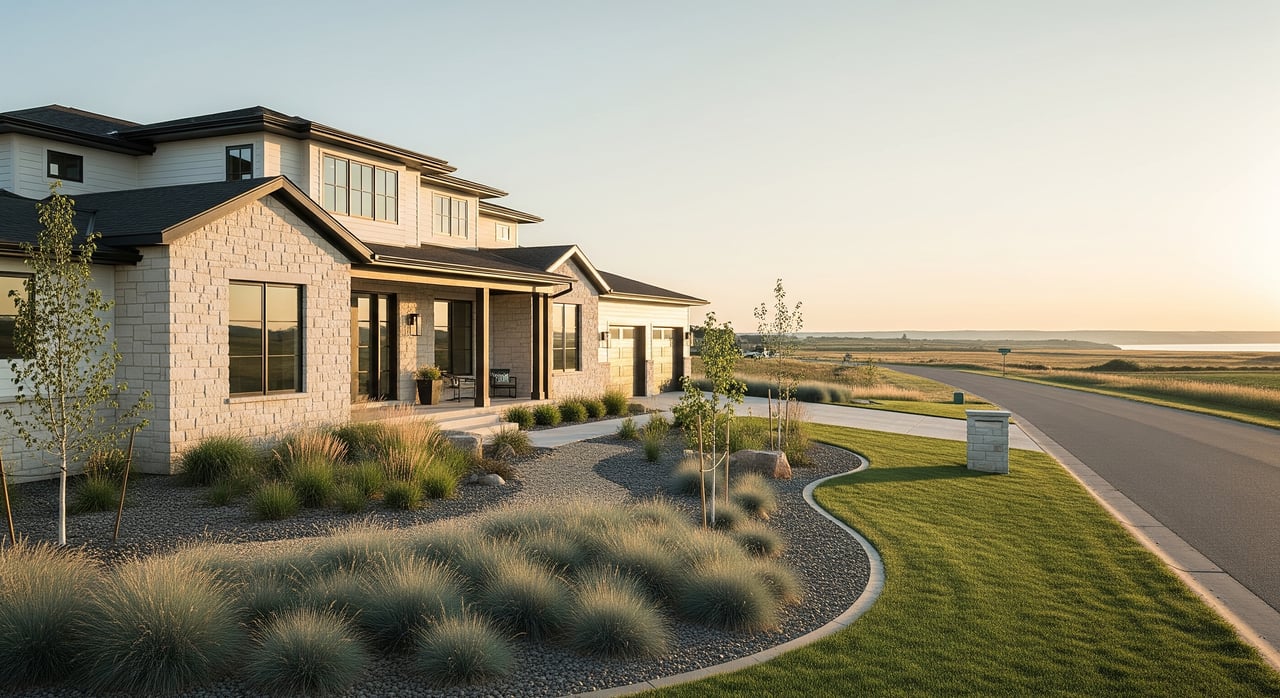
Newer, post-2000 neighborhoods expanded during and after the Bakken-era growth. Expect open-plan designs, energy-efficient features, and a range of lot sizes, including fenced yards.
Some new developments sit on the city’s edges with quick access to highways. Others integrate green space or trail connections to keep outdoor time close to home.
- Lot character: Mix of smaller infill lots and larger single-family sites.
- Commute feel: Designed for modern convenience, though fringe locations can add drive time.
- Good fit if: You prefer modern systems and community amenities and can accept a slightly longer drive for newer construction.
Manufactured-home and infill rentals
Williston includes pockets of manufactured homes, townhomes, and smaller-lot single-family properties. Product age and condition vary by location.
These areas typically have limited private yard space, so nearby parks and municipal amenities add value. Commute patterns mirror the surrounding neighborhoods.
- Lot character: Smaller sites and compact lots.
- Commute feel: Generally short to moderate, similar to adjacent areas.
- Good fit if: You want practical housing choices close to city services.
Rural acreages and ranchettes
Beyond city limits in Williams County, you’ll find larger parcels that deliver privacy, storage, and direct access to the outdoors. Homes range from classic farmhouses to custom builds with shops and hobby-farm structures.
Expect well and septic systems, longer driveways, and less municipal infrastructure. The trade-off for space is more time in the car, especially for routine errands.
- Lot character: Commonly 1 to 40-plus acres.
- Commute feel: Often 30 to 60-plus minutes to wage centers and city services. Travel time can vary with drilling locations and road conditions.
- Good fit if: You want hunting, private trails, wide-open views, and room for equipment.
Commute context that shapes choices
Williston is car-dependent, with major routes carrying regional traffic and freight. U.S. Highway 2 and U.S. Highway 85 are the principal corridors that influence where subdivisions grow and how quickly you can reach jobs and services.
The region’s labor market is shaped by energy-sector activity in the Bakken. Work sites are dispersed, from office hubs to field locations, so commute times depend on your shift schedule and the day’s destination.
- Typical patterns: Downtown and infill areas often see under 15 to 20 minutes to local jobs. Suburban and newer neighborhoods commonly run 15 to 30 minutes. Rural commutes vary widely and can exceed 30 to 60 minutes.
- Truck traffic: Heavy vehicles use the U.S. routes and adjacent industrial corridors. Peak truck flow can affect travel time near those segments.
- Airport access: Williston Basin International Airport opened in 2019, providing regional air service for business travel and visiting family.
- Transit: Public transit is limited, and most residents plan for car ownership.
Outdoor access trade-offs
Water, hunting, and open space are big draws in Williams County. The Missouri River and nearby lakes support boating, fishing, and scenic drives. Proximity to these assets can influence your neighborhood pick.
- River and lakes: Locations nearer the river corridor shorten your trip to the water, but may add time to employment centers depending on the direction you travel.
- Hunting and public lands: Rural properties simplify gear storage and access to public and private hunting areas.
- Parks and trails: In-town parks and trail connections are more common near municipal neighborhoods and in some new subdivisions.
- Seasonal reality: Winter road conditions can slow commutes from rural and fringe areas. Being near major, well-maintained routes can improve reliability.
Quick chooser checklist
Use this checklist to narrow your search fast:
- Want the shortest daily drives and walk-to errands? Consider downtown and older infill.
- Want newer homes, garages, and a balanced commute? Look at suburban subdivisions or recent master-planned areas.
- Want space for equipment, pets, or hobbies and direct outdoor access? Explore rural acreages and ranchettes.
- Want a practical footprint close to services? Check manufactured-home communities and infill rental pockets near city amenities.
- Need highway access for shift work or remote sites? Focus on neighborhoods with quick connections to U.S. 2 or U.S. 85.
- Travel by air often? Factor proximity to the airport into your drive-time planning.
Work with a local guide
Choosing between lot size, outdoor access, and commute time comes down to your lifestyle priorities. A local market expert can help you compare parcels, home vintages, and drive times by neighborhood type, then tailor showings to your daily routine.
If you want data-backed guidance on lot sizes, build styles, and commute trade-offs across Williston and Williams County, connect with Carla Kemp. As a full-time, experienced Realtor with deep local knowledge across residential, land, and new construction, she can align your must-haves with the right areas and help you navigate the market with confidence. Get your free home valuation.
FAQs
What are the main neighborhood types in Williston?
- Williston offers downtown/older infill, suburban subdivisions, newer master-planned areas, manufactured-home and infill rental pockets, and rural acreages.
How long are typical commutes in Williston?
- Downtown and infill often see under 15 to 20 minutes, suburban and newer areas 15 to 30 minutes, and rural locations 30 to 60-plus minutes depending on destination and conditions.
Which areas fit an outdoor-focused lifestyle?
- Rural acreages and ranchettes offer larger parcels, storage for equipment, and quick access to hunting, public lands, and open space near the Missouri River and surrounding countryside.
What trade-offs come with rural living near Williston?
- Expect longer drives for groceries and services, well and septic systems, more winter maintenance, and commute times that vary with drilling locations and weather.
How do highways affect neighborhood commutes?
- U.S. Highway 2 and U.S. Highway 85 carry regional and truck traffic, shaping where subdivisions sit and how reliably you can reach employers and amenities.
Is public transit a realistic option in Williston?
- Options are limited, and most residents plan for car ownership; neighborhoods are generally chosen with driving in mind.