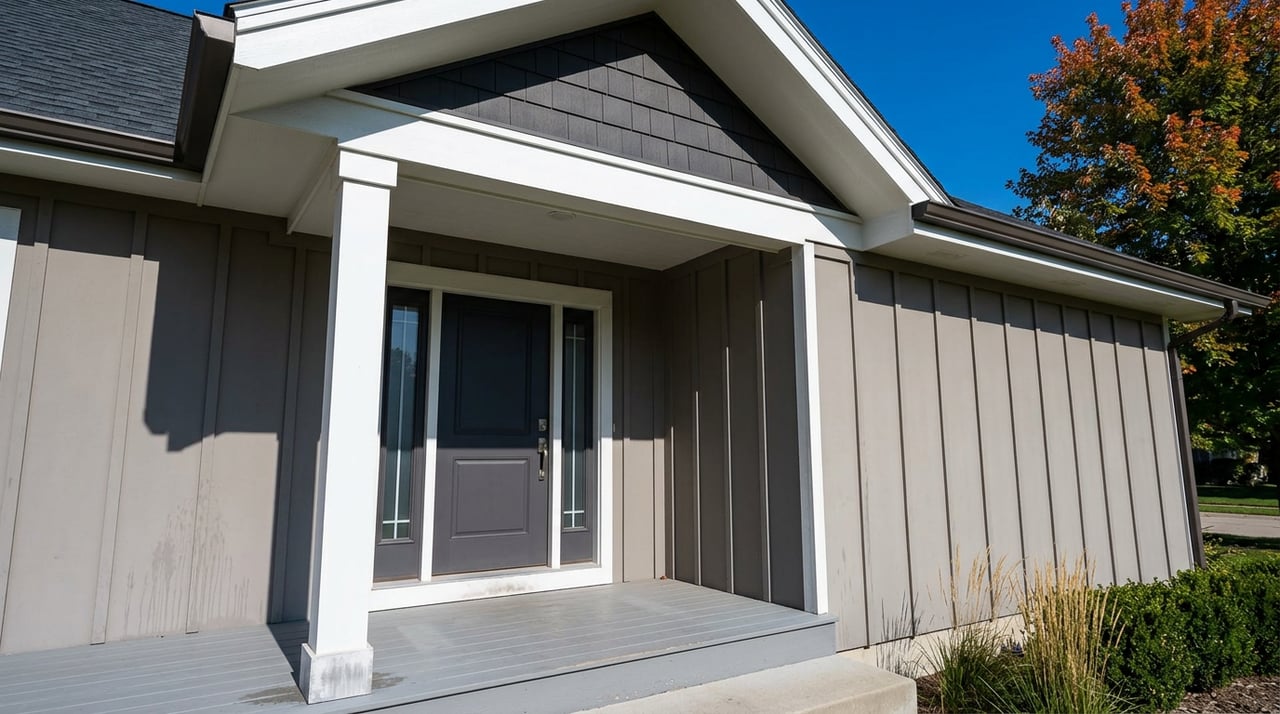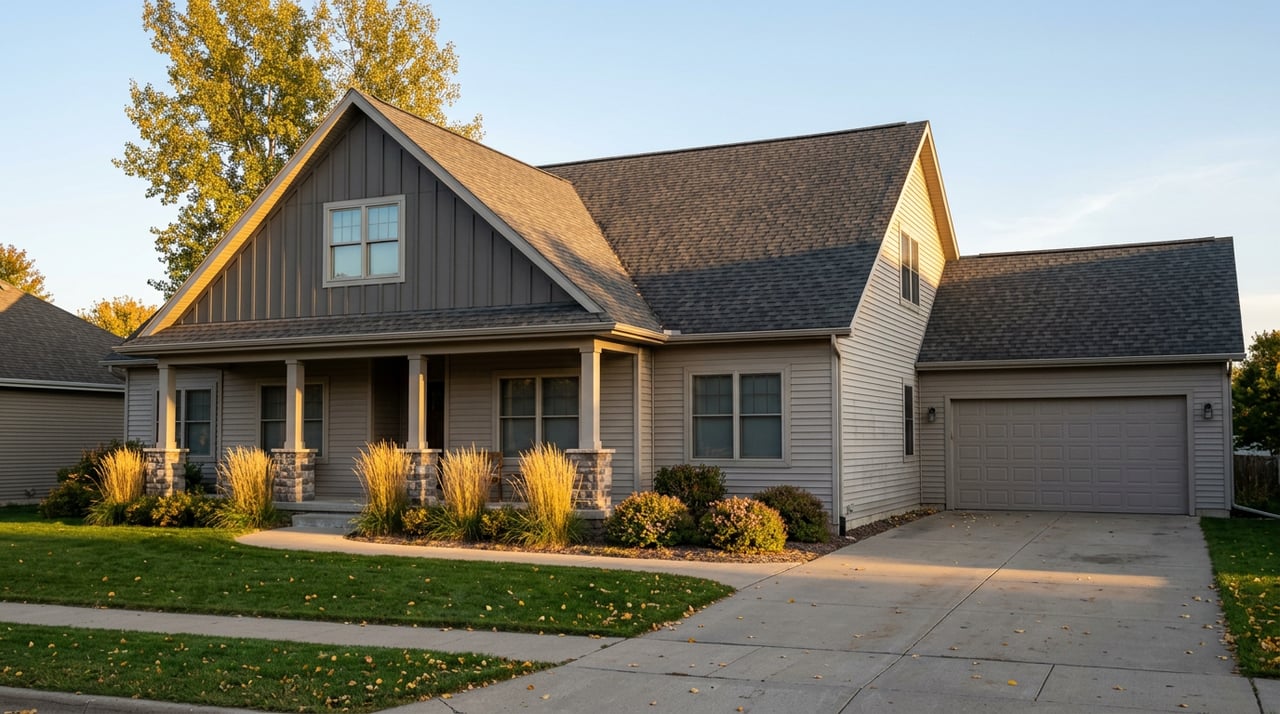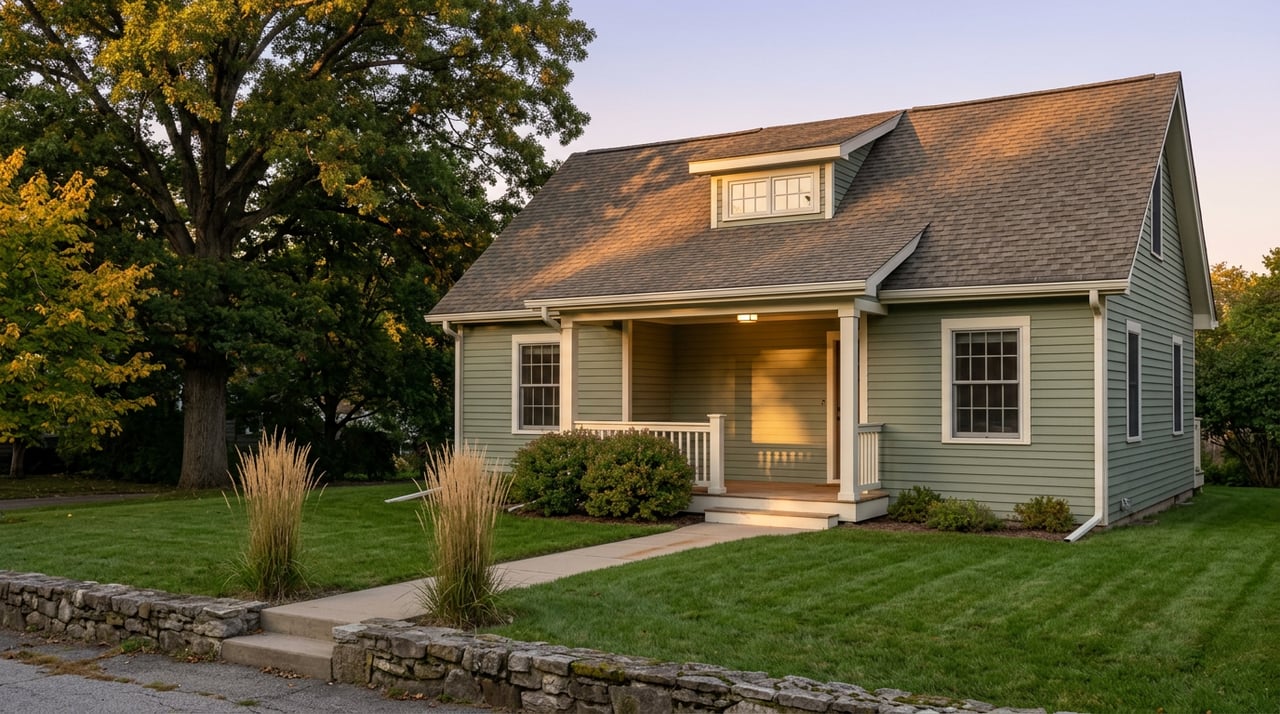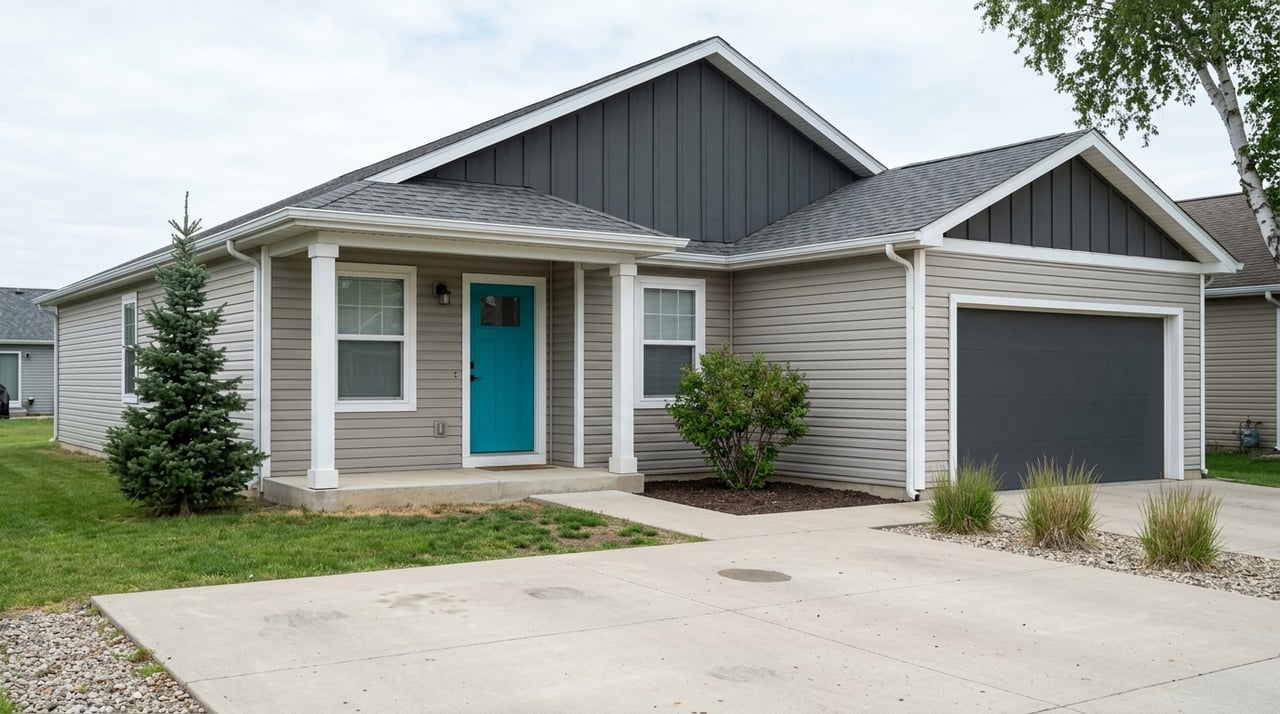
Buying your first home in Williston can feel exciting and a little overwhelming at the same time. You want a place of your own, but you also want to make a smart decision in a market where prices, loan options, and closing costs can vary more than many buyers expect. This guide will help you understand what first-time buyers in Williston should know about pricing, financing, assistance programs, and next steps so you can move forward with more confidence. Let’s dive in.
What first-time buyers should know about Williston
If you are picturing Williston as a low-cost starter-home market, it helps to reset that expectation. Recent housing data points to a mid-priced market, with median figures landing around the upper $300,000s to low $400,000s depending on the source and time frame.
As of spring 2026, Redfin showed a median sale price near $369,000. Realtor.com reported a median list price of $420,000, 215 homes for sale, and a median of 44 days on market, while Zillow placed the average home value near $370,303. In plain terms, many realistic first-home options in Williston are in the high $200,000s through the low $400,000s.
The City of Williston’s 2025 market profile adds helpful context. It lists a median home value of $282,683, with many owner-occupied homes concentrated between $200,000 and $499,000. The largest value bands were $300,000 to $399,000, $400,000 to $499,000, and $200,000 to $249,000.
That matters because it gives you a better planning range. If you are entering the market for the first time, it often makes sense to explore homes with a realistic budget rather than search only for the lowest-priced options and hope they fit your needs.
Housing options in Williston are varied
Williston is not a one-size-fits-all housing market. Local and state data show a mix of property types, which is good news if your first purchase goals are flexible.
Historically, Williston’s housing stock has included single-family homes, multi-family housing, and mobile homes. Williams County’s current new-construction buyer-assistance application also references several dwelling types, including single-family homes, townhomes, condos, stick-built homes, manufactured homes, mobile homes, and modular homes.
For you as a buyer, that means your first home does not have to fit one narrow mold. Depending on your budget, financing, and long-term plans, your options may include an existing home, a townhome, a condo, or even certain new-construction properties.
How much home can you realistically target?
A practical target range for many first-time buyers in Williston is often around $300,000 to $450,000. That range lines up with current market medians and the city’s owner-value distribution.
Of course, your exact price point depends on your income, debts, savings, and loan program. But starting with a realistic range can help you avoid two common mistakes: shopping too high and stretching your budget, or shopping too low and missing homes that better match the local market.
When you build your plan, think beyond the sale price. You will also want room in your budget for down payment, earnest money, inspections, appraisal costs, moving expenses, and reserves after closing.
Loan options many first-time buyers compare
One of the biggest first-time buyer mistakes is focusing only on interest rate. In reality, the best loan for you depends on your down payment, monthly payment comfort, mortgage insurance, and whether you qualify for assistance.
A smart Williston strategy is to compare several paths before you decide. That often includes a conventional low-down-payment loan, FHA financing, and any eligible zero-down options.
Conventional loans with low down payments
Some conventional programs allow you to buy with as little as 3% down. Fannie Mae HomeReady and Freddie Mac Home Possible are two common examples.
HomeReady can also allow gifts, grants, and Community Seconds to help with upfront funds. Another key benefit is that mortgage insurance may be removed once you reach 20% equity, which can improve long-term affordability.
FHA loans for flexible entry
FHA loans can work well for buyers who want a lower down payment option. FHA down payments can be as low as 3.5%, but mortgage insurance is required.
For some first-time buyers, FHA can be a practical way to get into the market sooner. The tradeoff is that you need to factor the mortgage insurance cost into your monthly budget from the start.
VA loans for eligible buyers
If you are an eligible veteran, service member, or surviving spouse, a VA loan may allow you to buy with no down payment required. VA loans are issued through private lenders.
This can be one of the strongest financing options available for qualified buyers. If you think you may be eligible, it is worth asking a lender to compare a VA loan side by side with your other choices.
USDA loans for eligible rural properties
USDA Guaranteed Loans can offer 100% financing with no money down for qualifying borrowers in eligible rural areas. The key detail is that the specific property address must qualify.
For buyers looking around the broader Williston area, USDA may be worth reviewing. Eligibility depends on both the borrower and the property location.
North Dakota programs that may help
State-level programs can make a real difference for first-time buyers in Williston. In North Dakota, many of these options are offered through the North Dakota Housing Finance Agency, often called NDHFA, and are originated through participating private lenders.
That means lender choice matters. You want a lender who can explain the state options clearly and compare them against standard loan products.
NDHFA FirstHome and HomeAccess
As of June 1, 2025, NDHFA listed statewide income limits of $93,500 for households under 3 people and $110,000 for households of 3 or more. The single-family purchase-price cap was $481,176.
FirstHome is designed for buyers who have not owned a home in the last three years. If that fits your situation, it may be one of the first programs to review with your lender.
NDHFA DCA and Start assistance
NDHFA’s DCA and Start programs can provide a credit equal to 3% of the first mortgage amount for down payment, closing costs, and prepaid items. These programs are limited to one- to two-unit owner-occupied properties.
They also cannot be combined with other down payment-assistance programs. That is why it helps to compare the full structure of each option before you commit.
North Dakota Roots
If your income is above the FirstHome limits, or if you need a buy-again path, NDHFA says Roots may be the next option to review. This can be helpful for buyers who do not fit neatly into a first-time-buyer-only box.
The right fit depends on your household income, ownership history, and property plans. A side-by-side comparison can save you money and help you avoid choosing the wrong program too early.
Homebuyer education can be worth it
NDHFA partners with CommunityWorks North Dakota and The Village Family Service Center for an online eHome America course. According to NDHFA, the course costs $99, with a discounted price of $30 using coupon HOME30.
Even if education is not required for the loan path you choose, it can still help. For a first-time buyer, understanding the process ahead of time often reduces stress and makes the financing conversation much easier.
Local Williston-area help for new construction
If you are buying new construction in Williams County, there is a local program worth asking about early. The Williams County Builder/Buyer Housing Incentive Program can provide up to $15,000 for buyer-owed closing costs or an interest rate buy-down on newly constructed owner-occupied single-family homes.
The program may also provide up to $5,000 for utility connection or hook-up fees. That can lower your out-of-pocket cash needs at closing and move-in.
There are important rules to keep in mind. The home must be your primary residence, and the county application requires a North Dakota-based loan officer unless you are using a VA certificate of eligibility.
This assistance also has limits on how funds can be used. The buyer form shows it can be applied to closing costs or interest buy-down points, but not to your down payment or mortgage insurance premiums.
What to expect for closing costs
Many first-time buyers budget for the down payment and forget the rest. Closing costs are a separate part of the transaction, so you need to plan for them from the beginning.
A common planning rule is 2% to 5% of the purchase price. On a $350,000 home in Williston, that works out to roughly $7,000 to $17,500 before any seller credits or assistance.
These costs can include lender charges, title services, taxes, insurance, and prepaid interest. Prepaid interest is the daily interest from closing until your first monthly mortgage payment.
There is also some good news for North Dakota buyers. The state does not allow a state mortgage tax or sales or transfer tax on real property transfers, which can help keep closing costs lower than in states that charge those taxes.
Why the Loan Estimate matters
When you apply for a mortgage, the Loan Estimate is one of the most important documents you will receive. Lenders must provide it within three business days of a mortgage application.
This document helps you compare loan offers more clearly. Instead of looking only at the rate, you can review lender fees, estimated monthly costs, and other charges in a more apples-to-apples way.
You can also shop for some closing services, including title-related services. That means your loan decision should be about total cost and fit, not just the first number you see in a quote.
A step-by-step plan for buying your first home
If you want a simple framework, this is a practical path to follow in Williston.
1. Set a realistic price range
Start with local data and your own monthly comfort level. For many buyers, a range around $300,000 to $450,000 is a useful starting point, but your exact number should reflect your income, debts, and savings.
2. Get preapproved early
Talk with a lender who can compare conventional, FHA, VA, USDA, and NDHFA options if you may qualify. Ask for a Loan Estimate for each path you are seriously considering so you can compare total costs.
3. Match your financing to your situation
If you have not owned a home in the last three years, FirstHome may be worth a look. If you need help with upfront costs, DCA or Start may help, and if your income is above FirstHome limits, Roots could be worth reviewing.
4. Ask about local new-construction assistance
If you are considering a newly built home in Williams County, ask about the county buyer incentive before you sign a purchase agreement. Timing matters, and early planning may help you use available assistance more effectively.
5. Save for costs beyond the down payment
Earnest money often runs about 1% to 3% of the purchase price and can usually be applied toward your down payment or closing costs. You should also budget for inspection, appraisal, moving expenses, and some reserve funds after move-in.
6. Apply for the Primary Residence Credit after closing
North Dakota offers a Primary Residence Credit for qualifying owner-occupants. According to the state, there is no age or income limit, and in a March 2026 announcement the state said eligible homeowners could receive up to $1,600.
How a local guide can help you avoid mistakes
Your first purchase is not just about finding a house. It is about understanding pricing, comparing programs, spotting costs early, and knowing which questions to ask before you commit.
That is where local experience matters. In a market like Williston, where you may be comparing resale homes, new construction, and multiple financing paths, clear guidance can help you make a more confident decision and avoid expensive surprises.
If you are getting ready to buy your first home in Williston or anywhere in Williams County, Carla Kemp can help you understand the local market, compare your options, and take the next step with a plan that fits your goals.
FAQs
What is a realistic first-time homebuyer budget in Williston, ND?
- For many buyers, a practical planning range is often around $300,000 to $450,000, based on current market medians and local owner-occupied value ranges.
What loan options are common for first-time homebuyers in Williston, ND?
- Many first-time buyers compare conventional loans with 3% down, FHA loans with 3.5% down, VA loans with no down payment for eligible borrowers, USDA loans for eligible rural properties, and NDHFA programs offered through participating lenders.
What first-time buyer assistance is available in North Dakota for Williston buyers?
- NDHFA FirstHome may help eligible buyers who have not owned a home in the last three years, and NDHFA DCA and Start can provide a credit equal to 3% of the first mortgage amount for down payment, closing costs, and prepaid items.
What local buyer assistance is available for new construction in Williams County?
- The Williams County Builder/Buyer Housing Incentive Program can provide up to $15,000 for buyer-owed closing costs or interest buy-down on eligible newly constructed owner-occupied single-family homes, plus up to $5,000 for utility connection or hook-up fees.
How much are closing costs for a first home in Williston, ND?
- A common planning rule is 2% to 5% of the purchase price, which would be about $7,000 to $17,500 on a $350,000 home before any credits or assistance.
Do first-time homebuyers in North Dakota pay a real estate transfer tax?
- No. North Dakota does not allow a state mortgage tax or sales or transfer tax on real property transfers.
Can a first-time buyer in the Williston area use a USDA loan?
- Possibly, but the specific property address must be in a USDA-eligible rural area and the borrower must also meet program requirements.
What happens after closing for a new homeowner in North Dakota?
- Qualifying owner-occupants can apply for the North Dakota Primary Residence Credit, and the state said eligible homeowners could receive up to $1,600 in its March 2026 announcement.