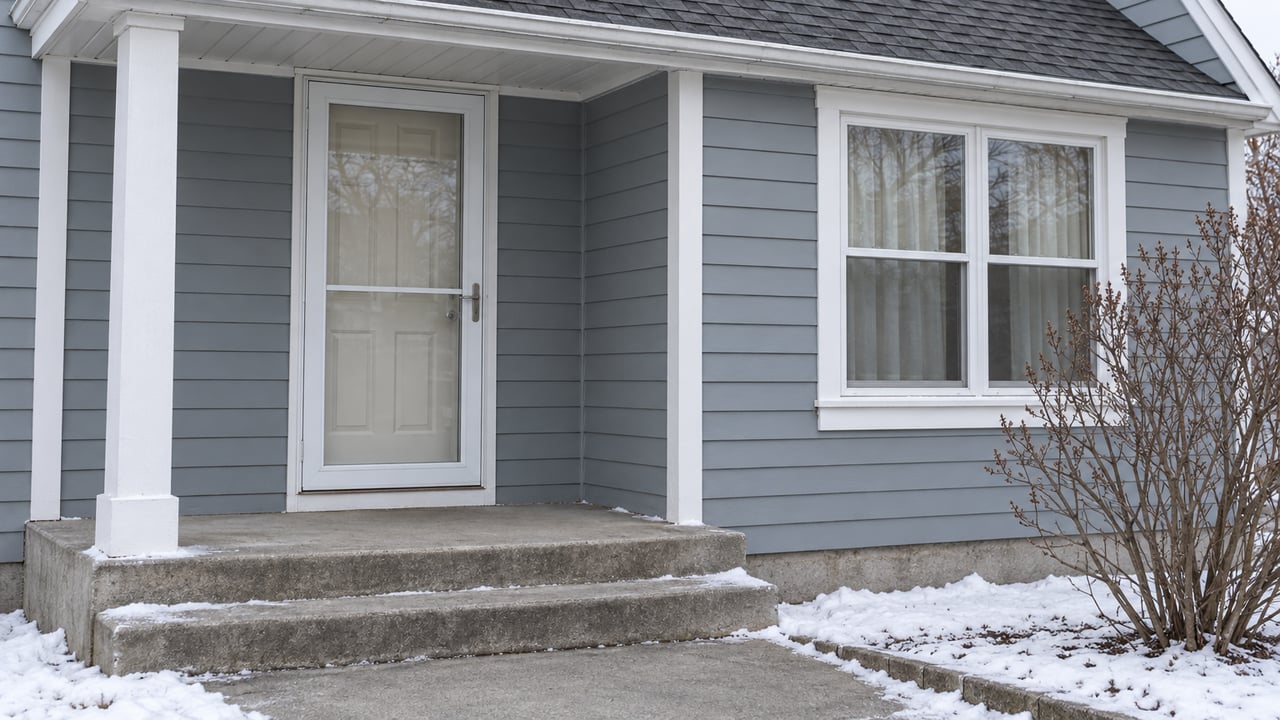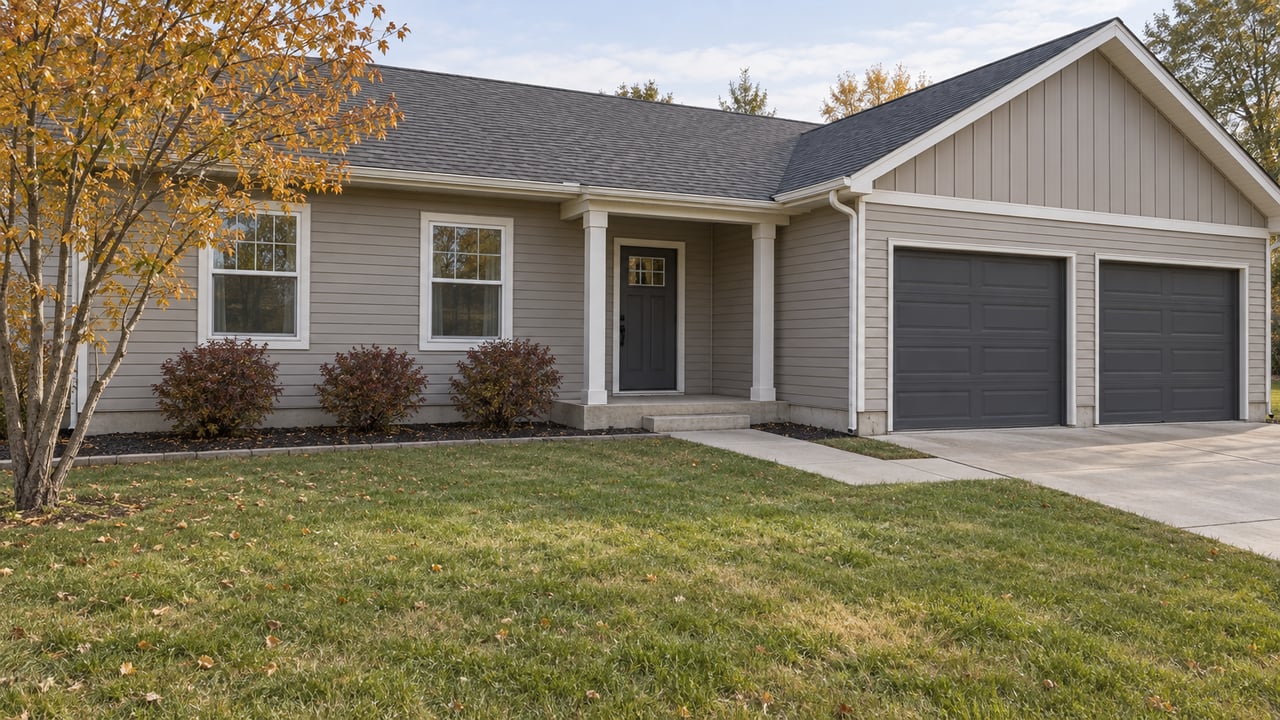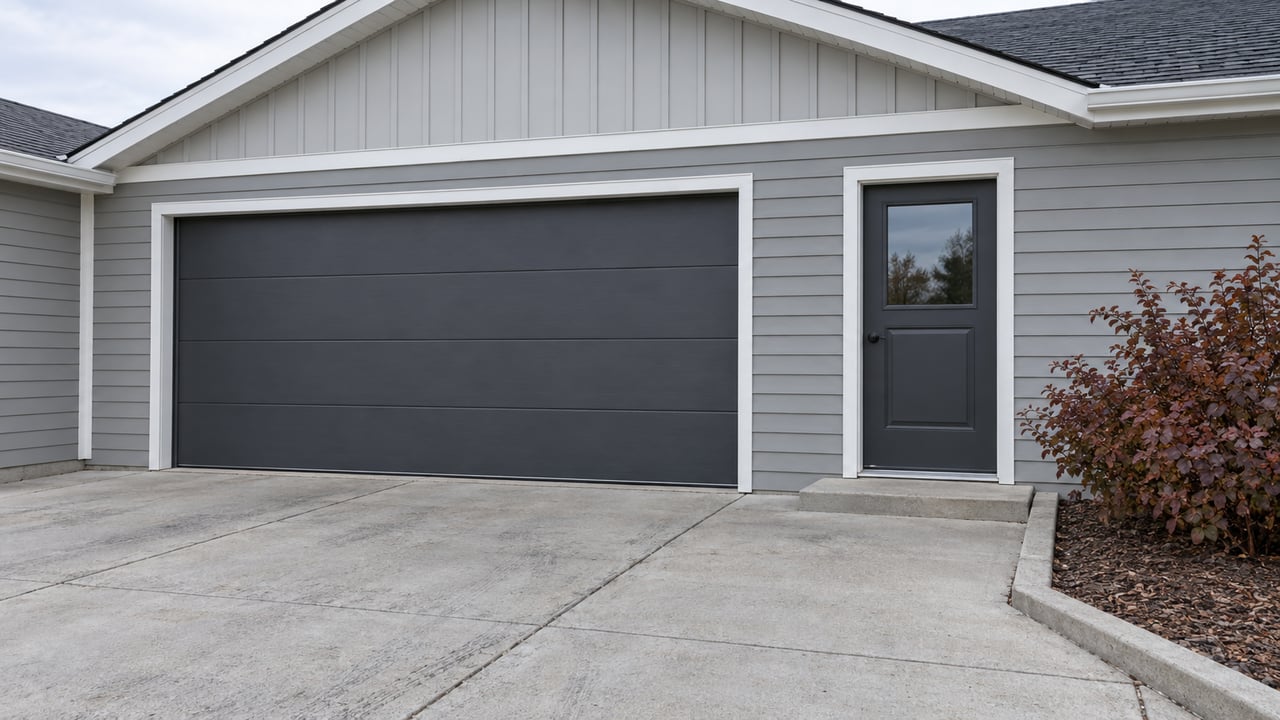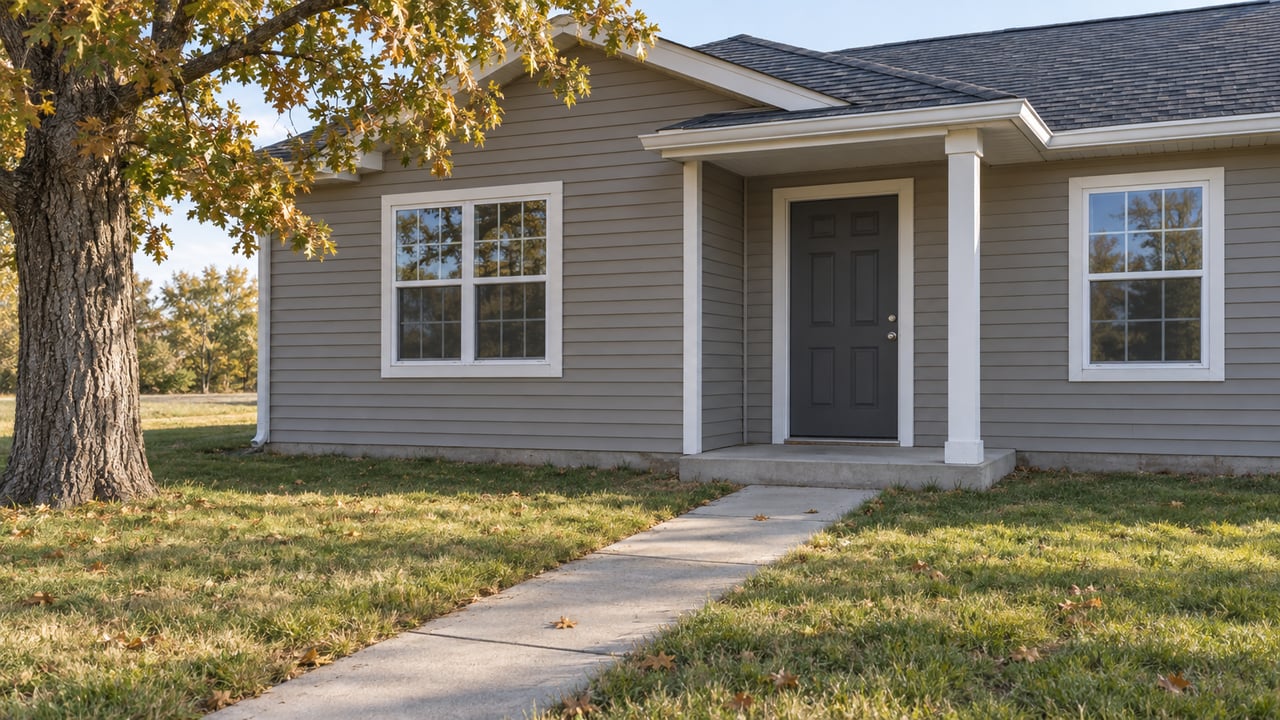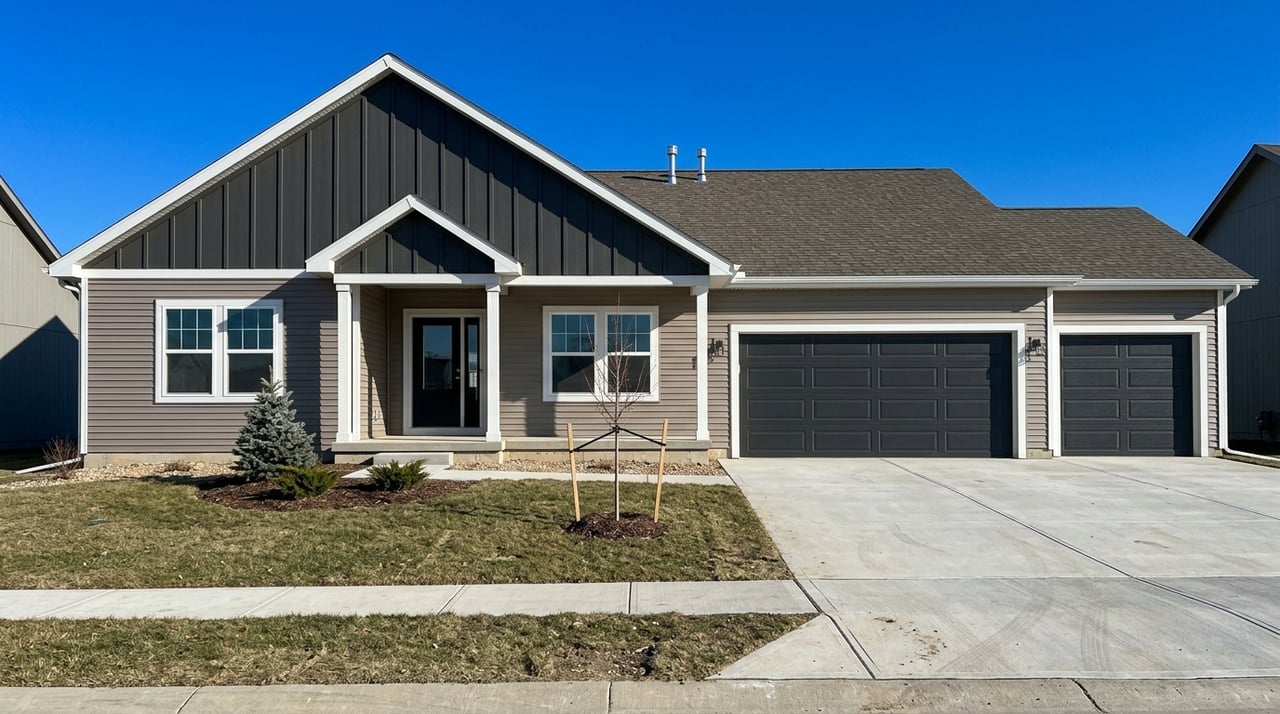
Buying new construction in Williston can feel simple at first. You tour a few homes, collect some floor plans, and compare prices. Then the real questions show up: Which builder is easier to work with, what finishes are actually included, and which floor plan will still work for you after move-in day? That is where a careful comparison matters. If you are trying to sort through builders and plans in Williston, this guide will help you compare the details that affect cost, timeline, comfort, and long-term value. Let’s dive in.
Start With the Builder Type
Before you compare finishes or square footage, make sure you understand what kind of builder you are talking to. In practice, that tells you how much flexibility you can expect and how fast the process may move.
A spec or production home usually offers the quickest path. The floor plan is mostly fixed, the builder often controls the lot, and your choices may be limited to a menu of finishes like flooring, cabinets, appliances, and fixtures.
A semi-custom home lands in the middle. You may be able to adjust parts of the layout, move some non-load-bearing walls, add a garage bay, or choose upgraded packages, but those changes can lead to added costs and delays.
A true custom home offers the most control. These homes are typically designed around your needs and the lot itself, but they also tend to take the most time and require a larger budget.
Ask One Simple Question First
When you meet with a builder, ask this: How fixed is the floor plan? If the answer is “mostly fixed,” you are likely looking at spec or production. If the builder allows defined changes, it is more likely semi-custom. If the design starts from scratch around you and the site, that is true custom.
Compare Floor Plans for Daily Living
It is easy to focus on bedroom count and total square footage. Those numbers matter, but they do not tell you how a home will actually live.
When you compare floor plans, think about how you move through the house every day. Look at the relationship between the kitchen, entry, garage, laundry, and main living area. A slightly smaller home with a better layout can feel more functional than a larger home with wasted space.
Look Beyond the Brochure
Ask yourself a few practical questions as you review each plan:
- Does the entry have enough space for daily traffic?
- Is the garage access convenient for groceries and winter gear?
- Does the kitchen have enough prep and storage space?
- Are the bedrooms separated in a way that fits your routine?
- Is there flex space for an office, hobbies, or guests?
- Will the plan still work for you in a few years?
A well-designed floor plan should support your life, not just look good on paper.
Make Sure the Plan Fits the Lot
In Williston, the right plan on the wrong lot can create delays and extra cost. The City of Williston’s residential new construction packet requires a site plan with setbacks and easements, along with foundation details and energy-code compliance documentation.
That means a builder is not just selling you a house plan. The plan also has to work with the lot’s dimensions, building envelope, and site conditions.
Lot Questions Worth Asking
As you compare builders, ask:
- Has this plan been reviewed for this specific lot?
- Are there setbacks or easements that affect the footprint?
- Is the site in a flood plain?
- How will the lot shape affect garage placement, driveway layout, or yard space?
- What foundation details are required for this site?
If you are buying outside Williston city limits, Williams County handles permits and address assignment for parcels outside city jurisdiction. That can affect which office is involved in the process, so it is smart to confirm that early.
Compare Builders on Climate Readiness
Williston’s climate should be part of every new construction conversation. NDSU freeze normals for the Williston airport show a short freeze-free season, with spring freezes often reaching into late May or early June and fall freezes arriving as early as September depending on the temperature threshold.
That local reality makes foundation, insulation, and overall enclosure details more important than many buyers realize. The City of Williston’s permit packet reflects that by requiring foundation plans to show minimum frost depth and slab frost protection.
Ask About These Build Details
When comparing builders, ask each one for clear answers on:
- Insulation levels
- Window specifications
- Air-sealing details
- HVAC efficiency
- Energy-code compliance documentation
- Any testing or verification used during construction
Two homes can look very similar during a showing, yet perform very differently in cold weather. A builder who can explain these details clearly is giving you useful information, not just sales language.
Understand What Is Included
One of the biggest mistakes buyers make is comparing base prices without comparing what comes with that price. A lower starting price does not always mean a better deal.
Production builders often separate standard features from optional upgrades. Semi-custom builders may offer more layout and finish flexibility, but that can also mean more choices that affect your budget.
Compare Finishes the Same Way
Ask every builder for a breakdown of:
- Standard features
- Upgrade options
- Allowances, if any
- Selection deadlines
- Whether outside vendors are allowed
- How change orders are priced
This helps you compare homes on an apples-to-apples basis. It also helps you avoid surprises when the finishes you assumed were included turn out to cost extra.
Ask About Timeline and Permits
Timeline matters, especially if you are coordinating a current home sale, a lease ending, or a relocation. In Williston, permit and inspection steps are a real part of that timeline.
The City of Williston requires separate permits for electrical, plumbing, gas piping, and HVAC. Its inspection sheet shows checkpoints that include foundation, framing, insulation, HVAC, plumbing and electrical finals, and a final inspection. Approved plans must stay on site from the start of construction through final inspections.
The city also states that a permit becomes void if work does not begin within 180 days, or if work is suspended for 180 days after it begins. That is one more reason to ask detailed schedule questions up front.
Timeline Questions for Each Builder
Use this checklist during builder interviews:
- When does plan review start?
- Which permits will be pulled, and by whom?
- Who handles subordinate permits for electrical, plumbing, gas piping, and HVAC?
- What inspection milestones typically affect the schedule?
- How do weather delays affect completion dates?
- What happens if selections or change orders are delayed?
A builder who can walk you through the process clearly is often easier to work with from contract to closing.
Compare Warranties Carefully
A new home warranty can sound reassuring, but the details matter. Builder warranties often cover workmanship and materials on most components for one year, HVAC, plumbing, and electrical systems for about two years, and sometimes major structural defects for up to 10 years.
You should also know whether the warranty is backed by the builder or a third party. Service contracts are not the same thing as warranties, so it is important to understand what you are actually receiving.
Warranty Questions to Ask
Ask each builder:
- What is covered?
- What is excluded?
- Who administers claims?
- Is the warranty builder-backed or third-party?
- How are warranty disputes handled?
- Does the process involve mediation or arbitration?
This is one of the easiest areas to overlook during the excitement of picking a new home. It is also one of the most important.
Look at the Full Value, Not Just Price
The best builder is not always the one with the lowest price or the flashiest model home. The best fit is the one that gives you the right combination of plan, lot fit, finish level, timeline, and clarity.
In Williston, that comparison should also include which jurisdiction controls the permit, which code version is being enforced, what warranty backs the work, and how much floor plan flexibility is truly included. Those details can shape your experience as much as the home itself.
A Simple Builder Comparison Method
Create a short side-by-side list for each builder with these categories:
- Builder type: spec, semi-custom, or custom
- Floor plan flexibility
- Standard features
- Upgrade structure
- Energy-efficiency details
- Lot fit and site considerations
- Permit and inspection process
- Estimated timeline
- Warranty coverage
- Final expected price
That kind of comparison keeps you focused on facts instead of first impressions.
Use Local Resources to Build Your List
If you are still creating your builder shortlist, a practical local starting point is the Western Area Builders Association, which serves Williams County and maintains a member directory of builders, remodelers, and related home-service professionals.
That does not replace your own due diligence, but it can help you build a more organized list of companies to contact. From there, you can compare builders using the questions in this guide and narrow the options based on your budget, goals, and timeline.
Watch for Tax Exemption Opportunities
If you are buying inside Williston city limits, ask whether the home may qualify for the city’s new-home property tax exemption. The city application states that the exemption applies to the first $150,000 of true and full value, exclusive of land, for eligible new single-family, condominium, and townhouse residential property, with a February 1 deadline for inclusion in the current assessment cycle.
If the property is outside incorporated city limits, Williams County says it offers a separate new-construction homeowner exemption for eligible homes outside cities. The county states that this exemption is only for properties outside incorporated cities and is scheduled to expire on December 31, 2027 unless extended.
These programs may affect your planning, so it is worth asking about them early in the process.
Choosing a Williston home builder is really about choosing a process, not just a house. When you compare builder type, floor plan flexibility, lot fit, climate-ready construction details, warranties, and timeline expectations, you put yourself in a much stronger position to make a confident decision. If you want help comparing new construction options, lots, or resale alternatives in Williston and Williams County, Carla Kemp is a trusted local resource to guide you.
FAQs
How should you compare Williston home builders fairly?
- Compare each builder by builder type, floor plan flexibility, standard features, upgrade pricing, lot fit, energy-efficiency details, timeline, permits, and warranty coverage.
What is the difference between spec, semi-custom, and custom homes in Williston?
- Spec or production homes usually have fixed plans and faster move-in timelines, semi-custom homes allow defined layout or finish changes, and custom homes are designed around your needs and lot from the ground up.
Why does lot fit matter when choosing a floor plan in Williston?
- Lot fit matters because setbacks, easements, flood plain status, and foundation requirements can affect whether a plan works on a specific site without redesign costs or delays.
What builder questions matter most for new construction in Williston?
- Ask what is included in the base price, how upgrades and change orders are priced, which permits are required, what the build timeline looks like, and how the warranty is structured.
What permit details should buyers know for a new home in Williston?
- The City of Williston requires scaled plans, site and foundation information, energy-code compliance documentation, and separate permits for electrical, plumbing, gas piping, and HVAC.
Are there new-home tax exemptions for buyers in the Williston area?
- Yes. The City of Williston offers a new-home property tax exemption for eligible homes inside city limits, and Williams County offers a separate homeowner exemption for eligible homes outside incorporated cities.