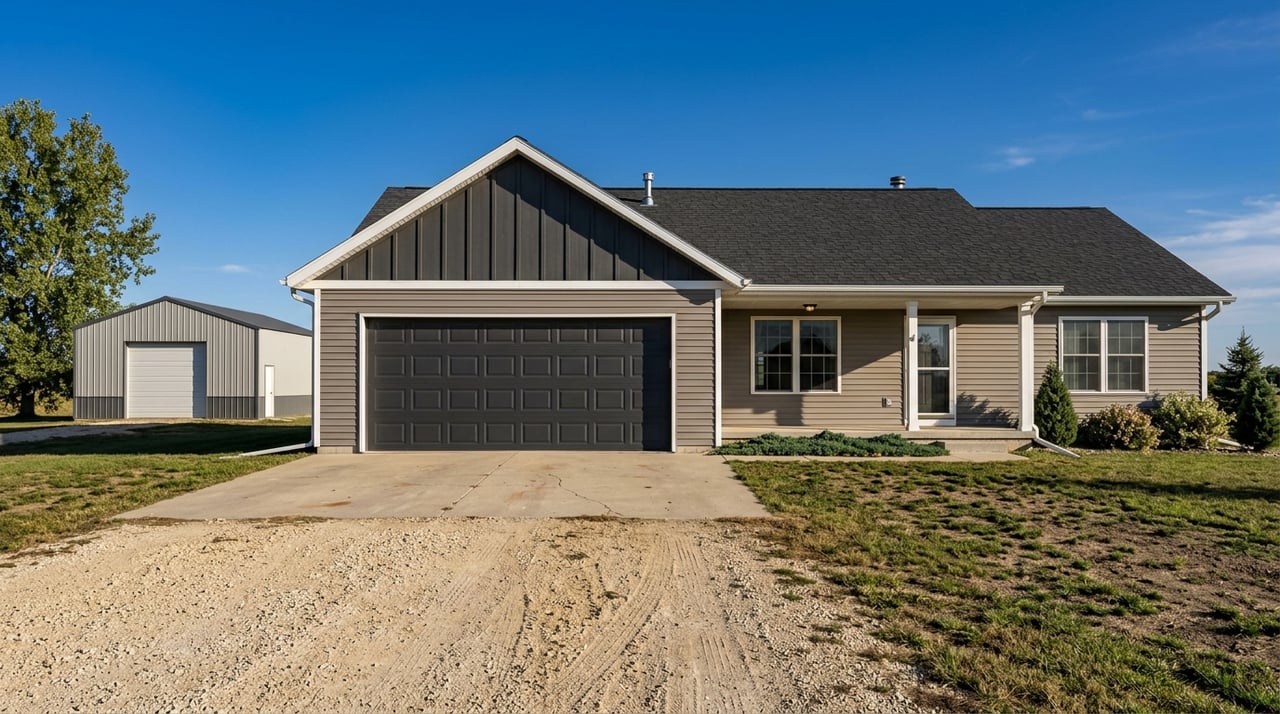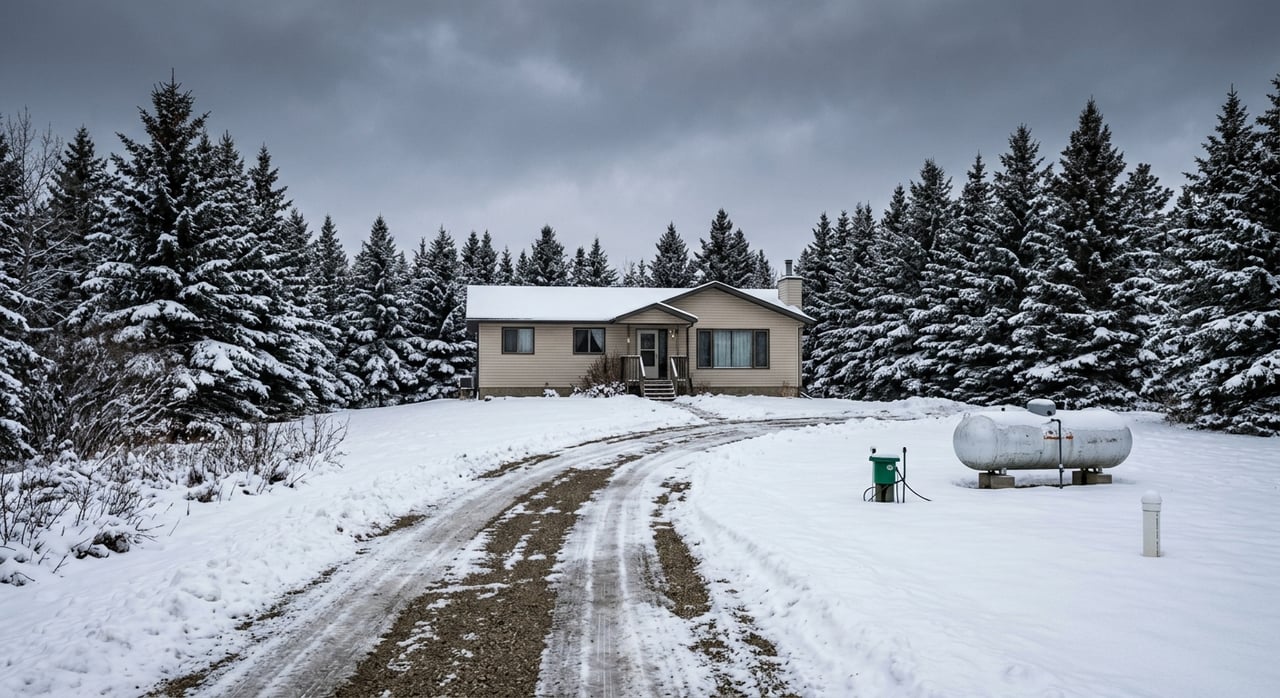
If you love the idea of more space, quieter surroundings, and room to spread out, rural living near Williston can be a great fit. It also comes with a different set of systems and responsibilities than an in-town home. If you are thinking about buying acreage or a home outside city limits, this guide will help you understand how wells, septic, roads, and winter conditions can affect daily life and your decision-making. Let’s dive in.
Rural homes work differently
A rural property near Williston often relies on a different infrastructure setup than a home in town. Instead of city water and sewer, you may be looking at a private well or rural water service, plus an onsite septic system. Road access may also depend on county or township roads rather than city streets.
Williams County makes those differences clear in its building permit process. The county checklist may require a septic permit from the Upper Missouri District Health Unit, an electrical permit from Mountrail-Williams Electric Cooperative, and a water supplier agreement from Williams County Rural Water. Some townships may also require a separate application.
Water matters most
For many buyers, water is the biggest adjustment when moving to a rural property. Before you close, you should know whether the home uses a private well or connects to a rural water district. That one detail affects maintenance, testing, and long-term planning.
Some rural parcels near Williston may be served by a rural water district instead of a private well. Northwest Rural Water District says its source is the Western Area Water Supply, which draws from the Missouri River. That can be a very different setup from owning and maintaining your own well.
What to know about private wells
A private well is a homeowner-responsibility system. NDSU says testing is the only sure way to know what is in household water. It recommends bacteria and nitrate testing every three years, along with periodic testing for dissolved minerals.
North Dakota Health and Human Services offers private well bacteriological testing kits for water used for human consumption. The current listed fee is $27, samples must be shipped within 30 hours, and the lab only accepts them Monday through Wednesday. If a home has a private well, that is useful information to keep in mind after closing.
Well location and construction matter
NDSU says wells should be at least 100 feet from septic tanks, drainfields, barnyards, feedlots, manure piles, and similar contamination sources. That spacing matters because it helps protect the water supply. If you are buying a rural property, this is one of the first things worth verifying.
Older wells built in pits can be more vulnerable to flooding and contamination. NDSU notes that modern protection often comes from extending the well casing above grade and using a pitless adaptor below frost depth. It also says the casing or cap should project at least 12 inches above final ground elevation.
Septic is part of the package
If a property has an onsite septic system, you want clear records on permits and installation. In Williams County, the Upper Missouri District Health Unit handles septic permitting and licenses installers. The North Dakota Department of Environmental Quality also requires installers to be licensed and to obtain the local public health permit before work begins.
This is one reason rural due diligence matters so much. A septic system is not just a hidden feature in the yard. It is a regulated system that affects how the property functions and how future work gets approved.
Winter can affect septic performance
Western North Dakota winters can be hard on septic systems. NDSU warns that septic systems can freeze during prolonged cold, especially when the soil is dry and snow cover is thin. Fresh snow acts as a strong insulator, so removing it from the drainfield can increase freeze risk.
NDSU also advises against driving vehicles over drainfields. That pressure can reduce insulation and contribute to freezing problems. In practical terms, a rural homebuyer should know where the drainfield is and how it should be treated during winter.
Roads and access deserve close attention
When buyers picture rural living, they often focus on the house, the shop, or the land. Access is just as important. A beautiful property can feel very different when you factor in gravel roads, snow clearing, and seasonal weight restrictions.
NDDOT maintains state, U.S., and interstate highways, but not city or county roads. For county roads, travel advisories and closures are handled locally, and local city or county crews are typically responsible for plowing. That means your day-to-day winter access may depend more on county and township systems than on state highway operations.
County roads can change quickly
Williams County posts road closures and restrictions through its website, Facebook, and LoadPass notifications. The county also publishes road maps, frost laws, weight restrictions, and inclement weather zones. If you are buying outside town, those updates can become part of normal life.
Wet weather can create another layer of planning. Williams County has posted 20,000-pound GVW restrictions on county and township gravel and chip-seal roads during rain events. That can affect movers, construction deliveries, septic installers, and other heavy equipment.
Driveway and site planning are part of approval
Access planning is not just a convenience issue. Williams County’s building permit checklist for rural projects calls for site plan details that include driveway location, grading, and drainage information. Some townships may also require their own application.
That matters if you are buying land, planning a new build, or looking at a home with future improvement plans. It is smart to confirm how access works now and what may be required later.
Winter is a real part of rural ownership
Winter is not an occasional event in the Williston area. NOAA climate normals for the Williston station show annual snowfall of 48.2 inches, a January mean temperature of 16.1 degrees, and an annual mean temperature of 41.7 degrees. In other words, winter conditions are part of everyday planning here.
That does not mean rural living is difficult. It does mean you should buy with realistic expectations about snow, cold, and road conditions. A little preparation goes a long way.
House systems need winter awareness
NDSU notes that wind can keep snow from accumulating along the north and west sides of a home. That can let frost penetrate deeper in those areas and freeze shallow sewer lines. On a rural property, details like wind exposure and snow cover can have a bigger impact than many buyers expect.
The same principle applies to well construction. NDSU warns that older wells in pits were historically used for freeze protection, but they are more vulnerable to flooding during snowmelt or wet periods. Newer well designs with casing above grade offer better protection.
Travel planning matters in storms
During storms, NDDOT updates road conditions daily from 5 a.m. to 10 p.m. Central Time. If you are stranded, NDDOT guidance is to call 911, stay with your vehicle, and run the engine sparingly. Those are simple points, but they matter when you live and travel in a region with regular winter weather.
What to verify before closing
Buying a rural home near Williston is often a great lifestyle move, but it rewards careful planning. Before you close, take time to verify the systems and access points that support the property. That can help you avoid expensive surprises and feel more confident in your purchase.
Here is a practical checklist based on county, public health, and state guidance:
- Verify the water source, whether it is a private well or rural water service
- Confirm septic permitting and inspection history
- Check road classification and any seasonal restrictions
- Ask how winter access is typically handled
- Review driveway location, grading, and drainage if you plan to build or improve the site
Budget for connection and setup costs
If you are building new, connection costs can be part of the budget. For eligible new residential construction, Williams County’s Connection Assistance Program can contribute up to $5,000 toward connection and hookup fees for electricity, natural gas, water, or sewer. The program can also include direct payment to septic installers, but expenses already incurred before approval are not reimbursable.
That kind of local program can be helpful, especially when you are comparing lots, planning a build, or estimating upfront costs. It is one more example of why local guidance matters in rural property decisions.
The right rural property starts with the right questions
Rural living near Williston can offer space, privacy, and flexibility that many buyers want. The key is understanding how the property works before you commit. Water source, septic setup, road access, and winter readiness all shape what ownership looks like from day one.
If you want help comparing rural homes, acreage properties, or build-ready land in the Williston area, working with a local agent who understands these details can make the process smoother. For local guidance on homes, land, and rural property decisions in Williston and Williams County, reach out to Carla Kemp.
FAQs
What should you check about a private well near Williston?
- You should confirm whether the property uses a private well, ask about testing history, and review the well’s location and construction details. NDSU recommends bacteria and nitrate testing every three years plus periodic testing for dissolved minerals.
What should you know about septic systems in Williams County?
- You should verify septic permitting and installer information before closing. In Williams County, the Upper Missouri District Health Unit permits septic systems and licenses installers.
What road issues can affect rural property near Williston?
- County and township roads may have local closures, frost laws, weight limits, and rain-related restrictions. Williams County posts road updates, restrictions, and maps through its local systems.
How much snow does the Williston area usually get?
- NOAA climate normals for the Williston station show average annual snowfall of 48.2 inches. January’s mean temperature is 16.1 degrees, so winter conditions are a regular part of life.
What should buyers budget for on rural land near Williston?
- You should budget for utility connections, water or septic setup, access planning, and any site work tied to permits. For eligible new residential construction, Williams County’s Connection Assistance Program may contribute up to $5,000 toward certain hookup costs.