If you’re ready for more space, a newer home, or a property that fits your life better, the hardest part is often not finding the next house. It is figuring out how to buy and sell without creating extra stress, extra cost, or bad timing. In Williston, where inventory and pricing still require a thoughtful approach, a smart trade-up plan can make the move feel much more manageable. Let’s dive in.
Why trade-up planning matters in Williston
Williston is not a stagnant market. Census QuickFacts estimates the city’s population at 28,821, and a June 2025 city housing profile forecasts growth to 32,311 by 2029, along with rising median household income. That kind of growth can support continued housing demand, which matters when you are trying to sell one home and buy another.
At the same time, this is not a market where you should assume every home will sell instantly. Redfin reported a March 2026 median sale price of $368,500, median days on market of 63, and 21 homes sold. Zillow reported 72 homes for sale, 21 new listings, a median list price of $404,800, and 43 median days to pending at the end of March 2026.
For you, that means timing matters. A well-priced home may still move in a reasonable window, but you should not build your next purchase around perfect timing. Trade-up success usually comes from planning your financing, contingencies, and possession dates before you fall in love with the next property.
What “trading up” often means here
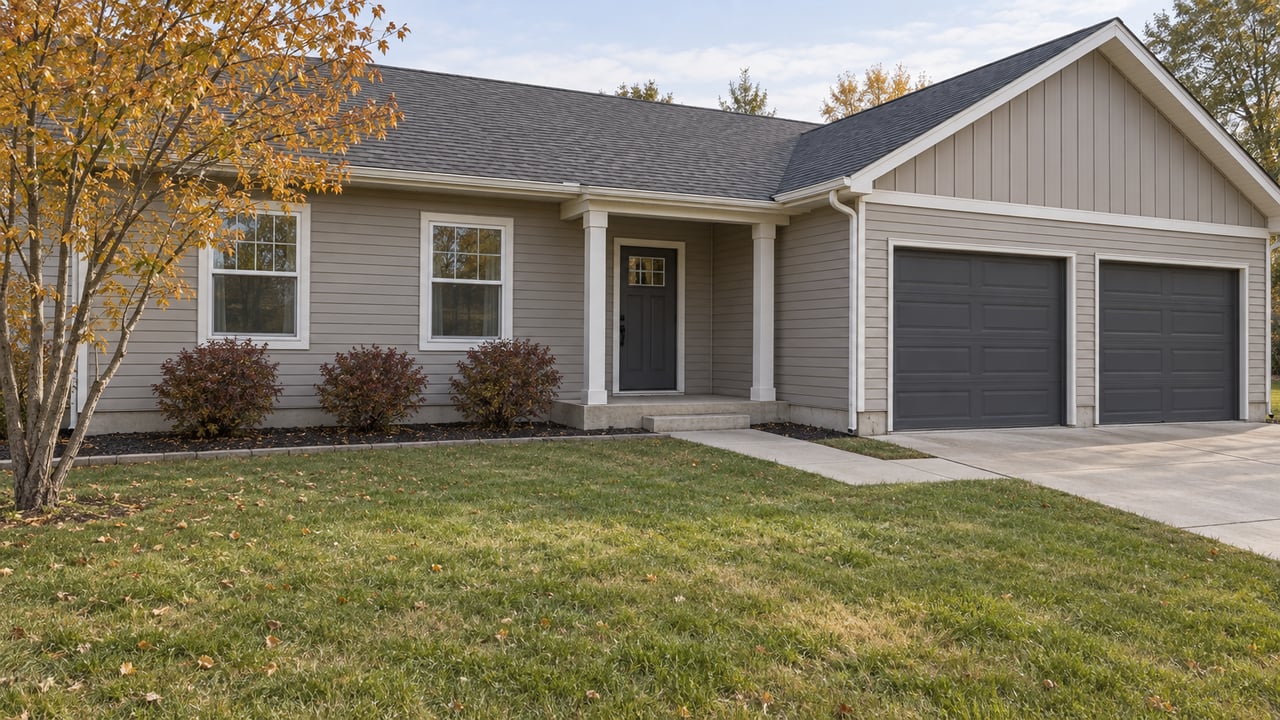
In Williston, trading up often means moving into a larger home, a newer build, or a property with more land. The city housing profile shows owner-value concentration in the $300,000 to $399,999 and $400,000 to $499,999 ranges, which fits the price points many move-up buyers target.
It also helps to know that much of Williston’s owner-occupied housing stock is older. The North Dakota housing assessment lists the owner-occupied median year built as 1972. That is one reason many established homeowners start looking at newer construction, updated resale homes, or properties with acreage outside city limits.
Your three main ways to move
Sell first, then buy
This is often the most conservative option. You sell your current home first, know exactly how much equity you have, and then shop with a clearer budget and less risk.
The tradeoff is convenience. You may need temporary housing, storage, or a short-term plan between closings if you do not line up the next home in time. Still, this route can reduce the chance that you carry two housing payments longer than expected.
Buy with a home sale contingency
A home sale contingency can protect you if you need proceeds from your current home to buy the next one. Freddie Mac explains that this type of contingency sets a timeframe for your current home to sell, and if that sale does not happen in time, the purchase contract can be voided and earnest money returned.
That protection is valuable, but it can make your offer less attractive. Sellers may continue marketing the property while your contingency is in place, so this strategy usually works best when the seller has flexibility and the home is not drawing stronger competing terms.
Buy first with a bridge loan
A bridge loan is a short-term loan that can help you buy your next home before your current one sells. CFPB says a temporary bridge loan with a term of 12 months or less can be used when you plan to sell your current home within 12 months.
This structure gives you more control over your move, but it raises the importance of lender review. Fannie Mae notes that the lender must document your ability to carry the new home, the current home, the bridge loan, and your other obligations. In plain terms, you need enough financial room for overlap.
How to choose the right strategy
Choose based on risk, not just speed
The best structure is the one that fits your finances and your comfort level. If carrying two homes would strain your budget, selling first or using a home sale contingency may be the smarter path. If you need flexibility and qualify for temporary overlap, a bridge loan may give you more options.
Williston’s market data support a balanced approach. With a median of 63 days on market reported by Redfin, your home may sell in a manageable timeframe, but that window is still long enough to create meaningful overlap if your purchase closes first.
Start financing early
Freddie Mac says the typical closing period is 30 to 45 days after an offer is accepted. CFPB also notes that you do not need a signed purchase agreement to request a Loan Estimate.
That early step matters more than many people realize. If you want to trade up, you should understand your monthly payment range, likely down payment, tax estimate, and reserve needs before your listing goes live or before you write an offer.
Keep key protections in place
When you are juggling two transactions, it can be tempting to strip out protections just to win the deal. Usually, that is not the safest move.
CFPB says buyers should keep financing and inspection contingencies so they are not forced to buy if the loan falls through or serious defects appear. Freddie Mac also notes that appraisal and inspection contingencies can allow renegotiation or cancellation if the value comes in low or major issues show up.
Timing tools that can make the move smoother
Rent-back or delayed possession
A rent-back, also called post-closing occupancy, can help if you sell your home but need a little more time before moving out. This can smooth the gap between closings and reduce the pressure of moving twice.
Fannie Mae notes that seller occupancy after closing can work, but it does not replace proper loan qualification or documentation. It is a logistics tool, not a shortcut around financing rules.
Coordinated closings
In some cases, your sale and purchase can be scheduled close together. That can limit storage costs and reduce the number of days you carry two properties.
This sounds simple, but it takes coordination. Your lender, title company, and agent need to understand the full structure early because loan qualification, seller occupancy, and timing all affect one another.
New construction needs a different plan
For many Williston trade-up buyers, the next move is not another resale home. It may be a newly built home with a more modern layout, updated finishes, or a larger garage and lot.
That path can be a great fit, but the timing works differently. CFPB notes that builders may ask for an upfront deposit, and buyers should ask when that deposit is refundable. CFPB also notes that you are not required to use the builder’s affiliated lender.
Construction timelines can shift, and that changes your overlap risk. If your current home sells before the new build is ready, you may need a temporary housing plan. If the build finishes faster than expected, you need to be ready on the financing side.
Looking outside city limits
Rural property takes extra due diligence
If your trade-up move includes acreage or a home outside city limits, your checklist should get longer. Williams County says its Planning and Zoning Division regulates land use and subdivisions in unincorporated areas, and its Development Services Department handles permits, fire inspections, and address assignments outside city jurisdiction.
The county also notes that parcels without a specific zoning district are designated agricultural. So if you are looking at rural land or a home on acreage, do not assume it works like a standard city-lot purchase. You should verify zoning, subdivision status, and the permit path early.
Check utility service carefully
Utility service can be a major practical issue outside town. Northwest Rural Water District serves rural homes and businesses in the Williston area and says its water source is the Western Area Water Supply.
If your next property is outside city limits, confirm whether it uses city utilities or rural water. You should also ask about hookup, service, and maintenance requirements so there are no surprises after closing.
Budgeting for overlap the smart way
Even when your plan is strong, overlap can happen. That is why your budget should account for more than just principal and interest.
North Dakota says counties determine and collect real property taxes, and real property is generally subject to tax unless specifically exempt. The state also offers a Primary Residence Credit of up to $1,600 for eligible homeowners who live in the home as their primary residence, along with a Homestead Property Tax Credit for qualifying seniors and disabled homeowners.
Those programs may help in the right situation, but they do not remove the need to budget carefully. If you may own two homes at once for a short period, include mortgage payments, taxes, insurance, utilities, moving costs, and any storage or temporary housing in your plan.
A practical trade-up checklist
Before you make your move, focus on these steps:
- Get a clear estimate of your current home’s value
- Talk with a lender about standard financing and bridge-loan options
- Request a Loan Estimate early
- Build a realistic overlap budget
- Decide whether sell-first, contingent purchase, or buy-first fits you best
- Keep financing, inspection, and appraisal protections in mind
- If buying new construction, ask about deposit terms and timeline changes
- If buying outside city limits, verify zoning, permits, and utility service
- Coordinate title, lender, and possession timing as early as possible
The smartest move is a local plan
Trading up in Williston is not just about buying a better house. It is about managing two connected transactions in a market where timing, pricing, and property type all matter.
Whether you are moving from an older home into newer construction, stepping up in size, or heading toward acreage in Williams County, the right strategy starts with local knowledge and a clear plan. If you want help building that plan and understanding your options, reach out to Carla Kemp for guidance tailored to your move.
FAQs
Can you buy a home in Williston before selling your current one?
- Yes. You may be able to buy first with a bridge loan or another approved financing structure, but your lender must review your ability to carry the new home, your current home, and any short-term debt.
Is a home sale contingency realistic for a Williston trade-up move?
- It can be, especially if you need your current-home proceeds to buy the next home. But it may weaken your offer because the seller can often continue marketing the property during that contingency period.
How long might it take to sell a home in Williston?
- Redfin reported a median of 63 days on market in March 2026. That means a well-priced home may sell in a workable timeframe, but you should still plan for possible overlap.
What should you ask when buying new construction in Williston?
- Ask about deposit requirements, when a deposit is refundable, expected completion timing, and whether timeline changes could affect your sale and move schedule.
What extra steps matter for acreage near Williston?
- Verify zoning, subdivision status, permit requirements, and utility service early. Rural property in Williams County may involve different rules than a standard home inside city limits.
Do property taxes affect a Williston trade-up budget?
- Yes. If you may carry two homes for a period of time, include property taxes in your overlap budget along with mortgage payments, insurance, utilities, and moving costs.